


Charleston, SC Real Estate & Community Guide
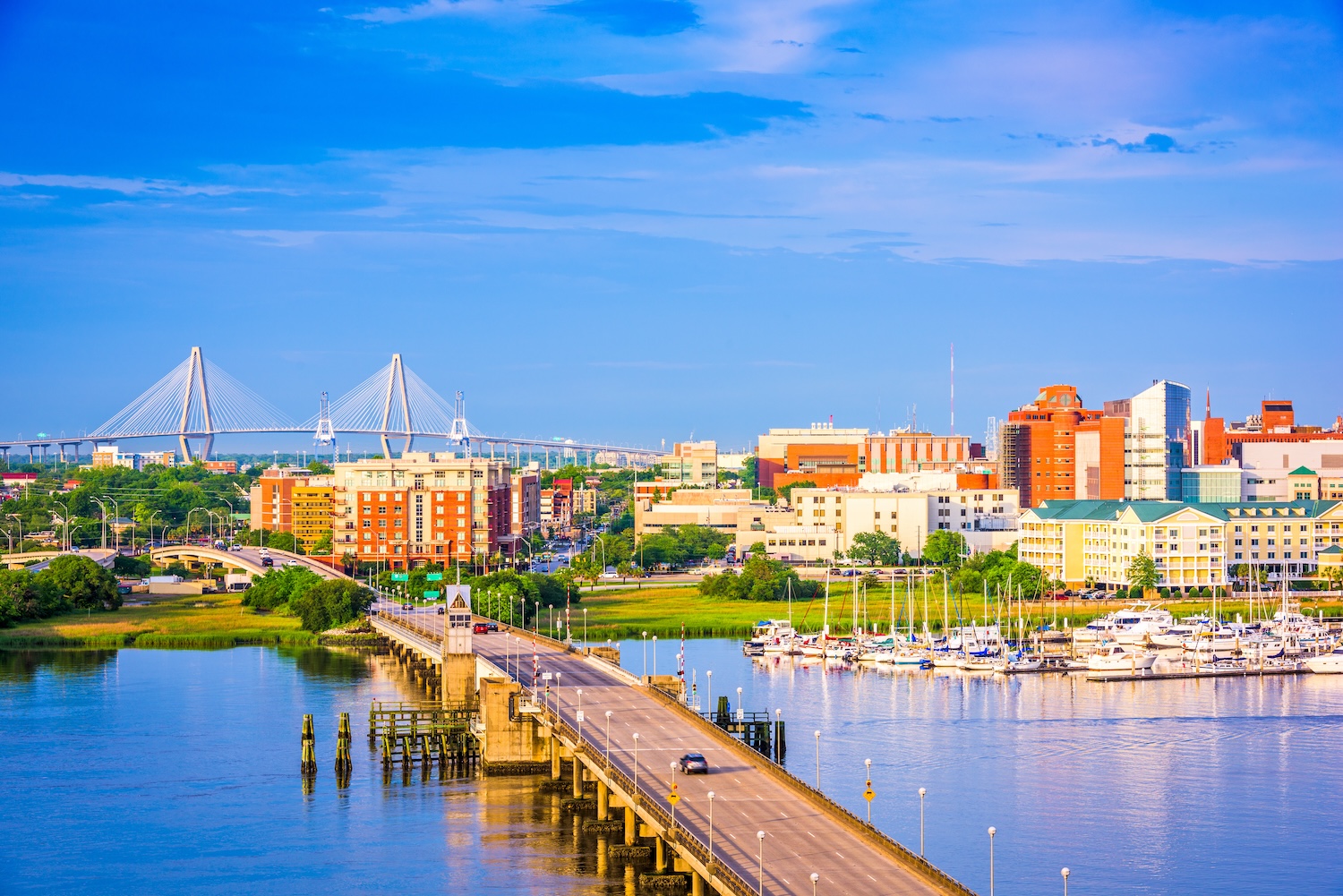
Charleston blends historic charm, coastal scenery, acclaimed dining, walkable neighborhoods, and classic Lowcountry architecture into one of South Carolina’s most recognizable places to live.
From historic homes on the peninsula to condos, townhomes, waterfront properties, and residential neighborhoods throughout the city, Charleston offers buyers a wide range of lifestyles close to the harbor, beaches, restaurants, schools, and everyday conveniences.
Search Homes for Sale in Charleston
Charleston Market Stats
Get a quick look at the latest Charleston real estate activity, including current listings, recent sales, and upcoming open houses.
Selling Your Charleston Home?
Selling in Charleston means knowing how to position the details buyers value most, including location, architectural character, condition, updates, parking, outdoor space, walkability, flood considerations, and neighborhood appeal. Bill can help you price, prepare, and market your home with a clear understanding of what makes Charleston real estate unique.
Discover Your Home's Worth
Spotlights of Charleston
Historic Architecture
Charleston is known for its historic homes, classic piazzas, cobblestone streets, garden spaces, and architectural details that give each neighborhood its own sense of place.

Dining, Shopping & Culture
From downtown restaurants and galleries to local shops, markets, theaters, and museums, Charleston offers a lifestyle shaped by history, creativity, and everyday convenience.
.jpg)
Waterfront & Outdoor Access
Charleston’s harbor, parks, nearby beaches, creeks, and marshes make outdoor living part of the everyday experience, whether you want walkability, water views, or quick access to the coast.
Charleston at a Glance
Getting Around
Charleston connects residents to downtown, Mount Pleasant, West Ashley, James Island, Johns Island, North Charleston, the beaches, and Charleston International Airport. It also offers convenient routes toward Sullivan’s Island, Isle of Palms, Wild Dunes, and Daniel Island. Commute patterns can vary widely by bridge, route, and time of day, so location is an important part of the home search.
What Buyers Should Know
Charleston real estate changes street by street. Buyers should compare neighborhood setting, flood zone, parking, renovation history, historic guidelines, outdoor space, walkability, and long-term maintenance before choosing a home. If you are still comparing options, explore the full area guide or review nearby local neighborhoods.
Charleston Attractions
Explore Charleston’s historic districts, waterfront parks, restaurants, museums, shopping areas, beaches, and other Lowcountry highlights.
Living in Charleston
Living in Charleston is about choosing the lifestyle that fits you best, whether that means historic downtown walkability, a quieter residential neighborhood, a waterfront setting, or easier access to beaches, schools, work, and daily conveniences.
The Homes
Charleston real estate includes historic homes, renovated residences, condos, townhomes, newer construction, waterfront properties, and homes in established neighborhoods throughout the city. Buyers can also compare nearby options in Mount Pleasant, Daniel Island, and the barrier island communities.
Commuting & Connectivity
Charleston offers access to major employment areas, medical centers, colleges, the port, hospitality, local businesses, and regional job centers across the Charleston metro area.
The Schools
Charleston is served by Charleston County School District, with public, charter, magnet, and private school options throughout the area. Buyers should verify current school zoning before purchasing and can also review local school information on the Mount Pleasant schools page.
The Amenities
Residents enjoy restaurants, shopping, parks, waterfront spaces, historic sites, museums, arts venues, nearby beaches, medical centers, colleges, and a wide range of local services. For more local resources, visit the business directory or explore activities and events.
Explore Nearby Areas
Still comparing communities around Charleston? Explore nearby area guides to see how each location fits your lifestyle, commute, and home search goals.
FAQs About Charleston, SC
1. What should buyers compare when looking at Charleston homes?
Buyers should compare location, property condition, flood zone, parking, outdoor space, renovation history, walkability, commute routes, and neighborhood setting. In Charleston, small differences in location can have a major impact on lifestyle and long-term value.
2. How does downtown Charleston differ from other Charleston-area neighborhoods?
Downtown Charleston offers historic architecture, walkability, restaurants, shops, and cultural attractions close together. Other areas may offer more space, easier parking, newer homes, quieter streets, or quicker access to beaches and commuter routes.
3. Are historic homes in Charleston different to buy and maintain?
Yes. Historic homes can offer incredible character, but buyers should pay close attention to inspections, renovation history, insurance, maintenance needs, and any applicable historic review guidelines. A knowledgeable local agent can help you understand what questions to ask before making an offer.
4. Is Charleston a walkable place to live?
Some parts of Charleston are highly walkable, especially downtown and areas near shops, restaurants, parks, and schools. Other neighborhoods are more car-dependent, so buyers should consider how close they want to be to daily conveniences.
5. What should sellers know before listing a Charleston home?
Charleston sellers should understand how buyers will evaluate location, condition, updates, parking, outdoor space, flood considerations, and neighborhood appeal. The right pricing and marketing strategy should reflect the specific property, not just the broader Charleston market.
6. Are there waterfront homes in Charleston?
Yes, Charleston offers waterfront, marsh-view, creekside, and harbor-area properties, though availability varies by location and market conditions. Buyers should review flood insurance, elevation, lot features, water access, and long-term maintenance before purchasing.
7. Why work with a local real estate agent in Charleston?
Charleston is a detailed market where architecture, flood zones, parking, neighborhood boundaries, commute routes, and property condition all matter. A local agent can help you compare homes beyond the listing photos and make a confident decision.
Ready to Find Your Home in Charleston?
Whether you are buying or selling in Charleston, Bill Barnhill can help you understand the market, compare your options, and move forward with confidence.
Selling a home in Charleston? We can certainly help you out with that, too!